

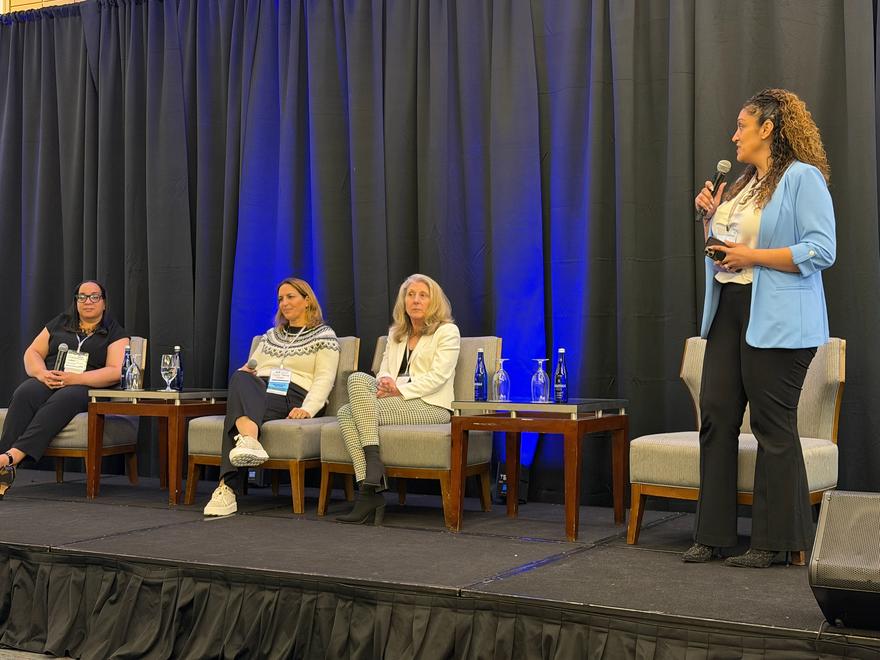
The 2026 REMS Innovation Consortium (RIC) Annual Meeting brought together a unique mix of voices across the healthcare ecosystem—regulators, pharmaceutical leaders, operational experts, and technology partners—all focused on a shared goal: strengthening how we approach risk mitigation, patient safety, and access to life-changing therapies.
For two days, the conversations ranged from regulatory strategy and real-world implementation to emerging technologies and the future of REMS programs. What makes this meeting especially valuable is the diversity of perspectives in the room. When leaders from across industry and government come together to exchange ideas, challenge assumptions, and share lessons learned, the dialogue moves beyond theory and toward meaningful progress.
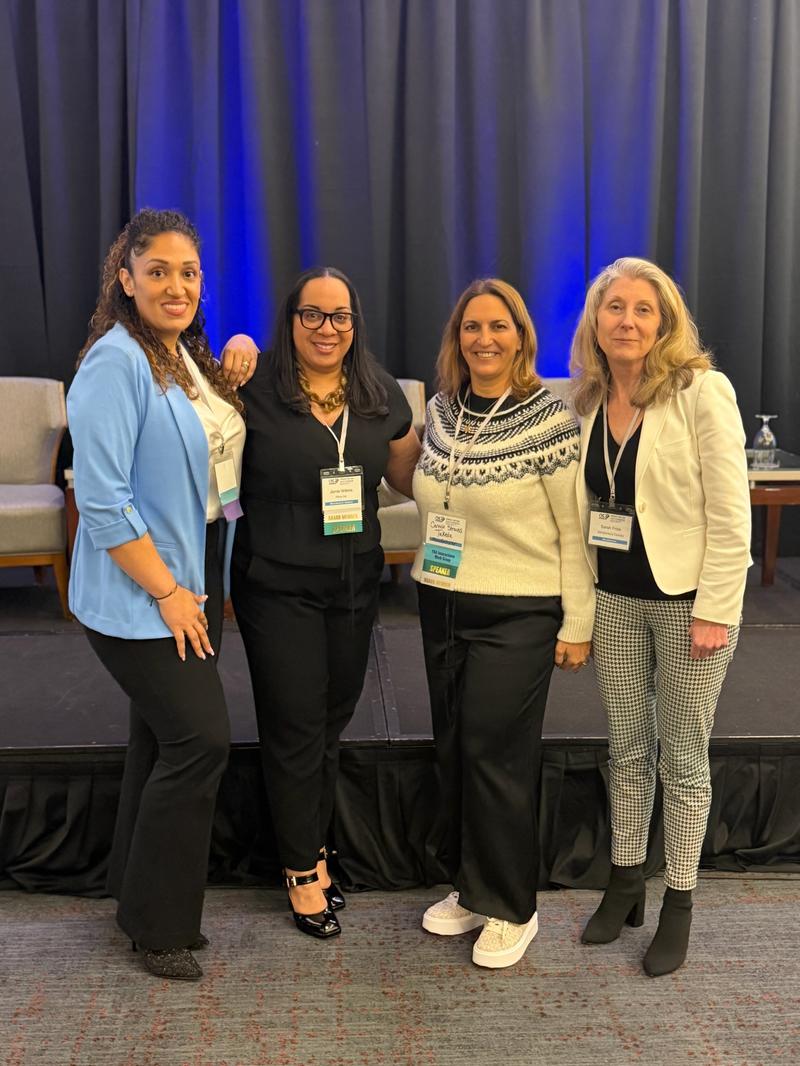
This year’s meeting opened with remarks from Kevin Holman, Eleni Allen, and myself, setting the stage for the conversations ahead. The opening keynote from Zahra Mahmoudjafari explored an important question for the field: how real-world experience with bispecific therapies is shaping the future of REMS and how these frameworks may evolve as clinical practice matures.
Throughout the meeting, sessions addressed some of the most pressing topics facing REMS professionals today—from inspection readiness and regulatory expectations to the growing role of artificial intelligence in REMS operations and logistics. Panels and fireside conversations brought together leaders from organizations across the ecosystem to share practical insights and emerging strategies.
One of the highlights for me was facilitating discussions alongside colleagues including Michele Coiro, Leonora Almeida, Eleni Allen, and Kyle Irwin, where we explored inspection readiness and compliance considerations through an interactive session. These conversations are critical as organizations work to navigate complex regulatory requirements while maintaining a strong focus on patient safety.
Another valuable moment was the fireside conversation on global risk management, where leaders such as Jamie Wilkins and Carmit Strauss shared perspectives on how organizations are addressing challenges across international regulatory environments.
The meeting also explored how AI and new technologies are beginning to support REMS programs—from improving operational efficiency to strengthening monitoring and compliance processes. As the healthcare landscape continues to evolve, these discussions highlighted both the opportunities and the responsibility that come with integrating new tools into risk management systems.
Beyond the formal sessions, the real value of the RIC meeting often happens in the hallway conversations, working group discussions, and collaborative exchanges between stakeholders who share a commitment to improving how REMS programs function in practice.
This year’s meeting was particularly meaningful for me because I had the privilege of serving as Co-Lead of the Annual Meeting Planning Team and one of the Conference Chairs, as well as Co-Lead of the RIC Communications & Marketing Working Group. Planning an event like this requires months of collaboration and the efforts of many dedicated professionals who care deeply about advancing this field.
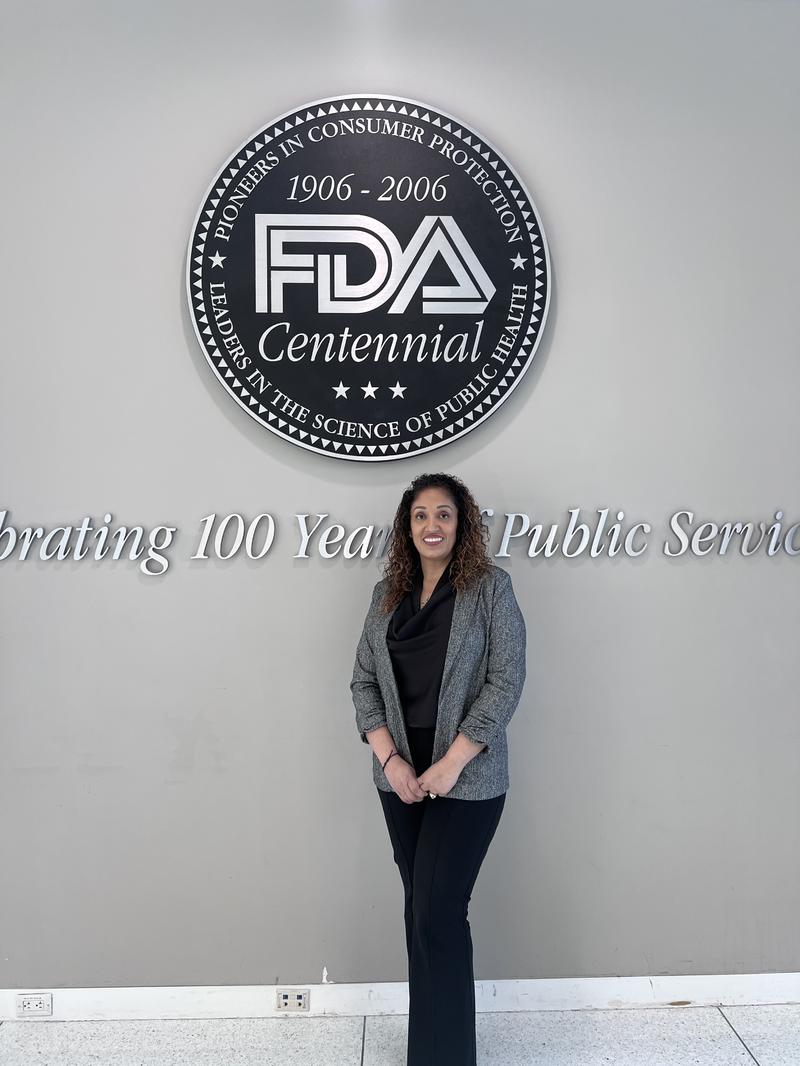
In addition to the conference itself, the week also included the REMS Industry Consortium’s face-to-face meeting with the FDA, which provided another important opportunity for regulators and industry leaders to engage in open dialogue about the challenges and opportunities ahead.
These conversations matter. When the right people come together with a shared commitment to patient safety and access, meaningful progress becomes possible.
I’m grateful to be part of a community that continues to push these conversations forward—and I’m already looking forward to what we will accomplish together next year.

Comments