Logo
Logo_white
⌘K
Home About Speaking Coaching Book Contact Insights
Home
aAbout
sSpeaking
cCoaching
bBook
cContact
Insights
fFree Resources
vVision Course
cCareer Clarity Quiz
Design Your Year: Your Vision-to-Action Roadmap

Design Your Year

0 / 4 completed
Eleva Free Course-Vision Board Part 1 4:34
Creating Your Vision
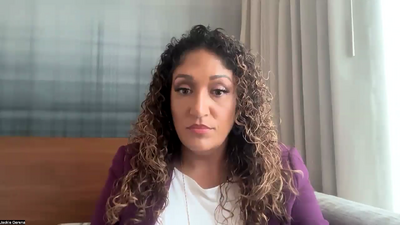
I’m recording this for you right in the middle of a conference because the energy here reminded me how powerful it is when you finally give yourself permission to think about what you want. Not what you should want. Not what other people expect. What you actually want for your life. This first module is all about creating your vision — the foundation for everything that comes next. Most of us spend so much time taking care of everyone else — handling responsibilities, juggling work, school, family, caregiving — that we stop asking ourselves the most important question: “What do I actually want for my life?” A vision board gives you the space to answer that question honestly. And even if it feels simple or silly, it works. I didn’t believe in vision boards at all… until I made my first one during COVID using nothing more than PowerPoint and some screenshots. Within a year, several of the “big, unrealistic” goals I thought were far out of reach actually happened. And it wasn’t magic — it was focus. Once I could see what I wanted, I naturally made choices that aligned with it. In this module, I walk you through: How to create a vision board in a way that fits your personality Why it doesn’t need to be pretty or organized (my first one looked exactly like my brain — all over the place!) Why it’s important to include personal, professional, and family goals How daily visibility quietly builds motivation How my own board helped me move toward dreams I hadn’t even said out loud Your vision board isn’t about aesthetics. It’s about honesty and clarity. How to Create Your Vision Board Choose whatever format feels natural: Digital (PowerPoint, Canva, screenshots) Physical (poster board, magazines, glue, scissors) Drawn (doodles, words, sketches) Place it somewhere you’ll see it every day. That part matters more than anything else. Before You Move On Make something. Even if it’s rough. Even if it’s simple. Just begin. What’s Next In Module 2, we’ll take your vision board and turn it into a realistic, manageable path.
Eleva Free Course-Vision Board Part 2 5:18
Mapping Your Timeline
Now that your vision is in front of you, let’s talk about what actually comes next. Your vision shows you where you want to go. Your timeline shows you how to get there. People don’t get stuck because they’re not capable. They get stuck because the goal feels so big that they don’t even know where to start. And when you don’t know where to start, you don’t start at all. When you break a big dream into smaller, digestible pieces, the entire journey becomes doable. And the truth is, the life you’re living right now is probably preparing you for your goals more than you realize. Work, parenting, caregiving, volunteering, studying — all of that is skill-building. In this module, I talk about: How your vision board becomes a map Why breaking goals into phases instantly reduces overwhelm The Dora, Boots, and Swiper analogy — which makes the entire concept make sense How I built my own timeline for goals I once thought were impossible How a combination of skills, opportunities, and small decisions helped me buy the home I always dreamed of Why your timeline belongs to you, not anyone else The point is to make your path feel real and achievable, not heavy. How to Map Your Timeline Choose one big goal from your board. Break it into three to five phases. Label those phases short-term, mid-term, or long-term. Don’t worry about the “how” yet — just outline the order. Let your timeline shift as your life shifts. That’s not failure. That’s real life. Before You Move On Choose one big goal and outline the phases. It doesn’t have to be perfect. What’s Next In Module 3, we turn your timeline into small, simple steps you can take each month.
Eleva Free Course-Vision Board Part 3 5:46
Building Your Monthly Plan
Your vision tells you where you’re going. Your timeline shows the path. Your monthly plan is how you actually stay in motion. Most people don’t struggle with motivation. They struggle with consistency — not because they don’t care, but because life gets loud. That’s normal. This is why your monthly plan has to be simple. Something you can work on even in the middle of life happening all around you. In this module, I talk about: Why small, simple steps matter more than big, dramatic goals How to choose actions you can actually complete Why progress beats perfection every time The value of monthly check-ins so your goals don’t disappear Why having an accountability partner is essential How to adjust when life “life’s,” as my daughter says This is about staying engaged, not staying perfect. How to Build Your Monthly Plan Choose one to three small actions you can complete this month. Nothing huge. Nothing overwhelming. Just steps that move you forward, like: Researching one certification Saving a small amount of money Writing one paragraph Scheduling a conversation Spending 20 minutes planning Small steps build momentum. Monthly Check-In Template You can write this in your journal or the worksheet: This month’s goal: Why this matters: My 1–3 actions: What I accomplished: What got in the way: What I’m adjusting next month: Before You Move On Write down your 1–3 actions for the month. Tiny steps count. What’s Next In Module 4, we bring everything together through reflection.
2020 Vision Board-JGerena Final
Reflection & Integration
Bringing Your Vision, Timeline, and Plan Together Before you move forward, I want to give you space to reflect — really reflect — on everything you just created. A vision board, a timeline, and a monthly plan are powerful on their own, but they become even more meaningful when you step back and look at how they connect. This module is your moment to slow down, look at the bigger picture, and check in with yourself about what you want, why you want it, and what’s going to support you as you move forward. These reflections are designed to help you build clarity, confidence, and alignment. Don’t rush through them. Sit with your answers. Let them shape how you show up in the coming months. How to Complete This Module You can answer these reflection questions in whichever way feels most natural to you: Write your responses in your journal if you prefer handwriting and deeper processing. Use the provided worksheet if you prefer to type or want a structured space to keep everything in one place. USE THE WORKSHEET Choose the method that helps you connect most honestly with your thoughts Reflection Exercise 1: Your Vision What do I ultimately want my life and career to look like? Write freely. Don’t edit. Don’t shrink. What goals on my vision board feel the most important right now — and why? What emotions do these goals bring up for me? Excitement? Fear? Doubt? Hope? All emotions belong here. Reflection Exercise 2: Your Timeline Which of my big goals can I break into phases or milestones? List each phase in order. What current responsibilities in my life already support these goals? (Work, family, caregiving, volunteering — everything counts.) What feels like the very first step in my journey — the next small move? Reflection Exercise 3: Your Monthly Plan What 1–3 small actions can I commit to this month? Keep these simple and manageable. What does “progress” look like for me — not perfection, just progress? Who can be my accountability partner? Who can check in with you and tell you the truth? Reflection Exercise 4: How You’ll Stay Consistent What usually gets in the way of my goals? (Be honest — time, fear, distraction, self-doubt, overcommitting, etc.) How can I support myself when life gets busy or derails my plans? What helps you come back? If my timeline needs to shift, how will I adjust without giving up? Reflection Exercise 5: What You’re Taking With You What did I learn about myself during this course? What feels newly possible for me now? How do I want to feel at the end of this year — and what needs to happen for me to feel that way? Final Integration Step Write a short statement that captures the spirit of your year. Something like: “This year, I am creating space for growth.” “This year, I am taking small steps toward a bigger future.” “This year, I am committed to myself.” “This year, I’m ready to begin.” Put it where you’ll see it often — on your desk, in your journal, as your phone background, or taped near your vision board. This is your reminder of who you’re becoming.
Logo
Logo_white
United States
About
Blog
Terms and conditions
Copyright © 2026 Jacqueline Gerena